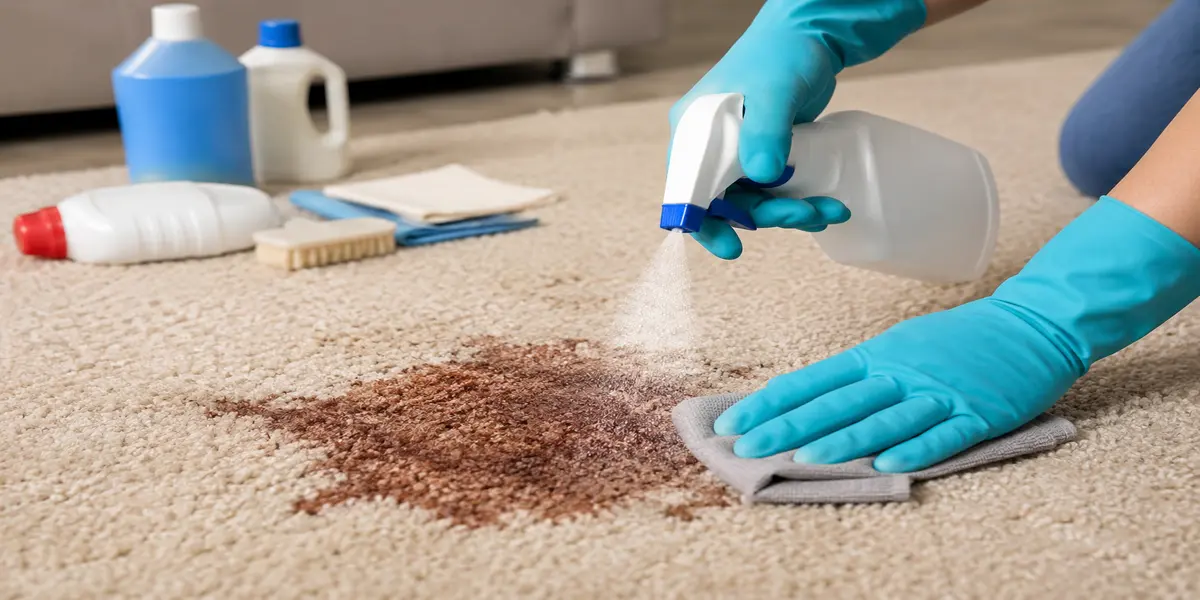
Carpet Stains Permanent: Hidden Risks of Carpet Sprays
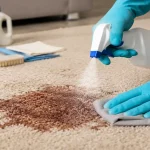
Have you ever meticulously cleaned a tiny carpet stain, only to find that the mark looked even worse when you returned it after drying completely overnight? Lots of homeowners are trusting supermarket cleaning sprays – because the packaging promises they’ll remove stains quickly, with no need for expensive professional carpet cleaning appointments. There are definitely plenty of stubborn stains around, and some cleaning products intensify the problem by destroying the carpet fibres and forcing the stain deep below other surfaces where it may be permanently trapped. By gaining a greater understanding of the damage caused to your carpet by supermarket cleaners, you are bound to prevent further damage to your carpet as well as avoid purchasing a new one.
Hidden Chemicals Cause Damage
A lot of products for cleaning carpets on shelves at the supermarket contain similar harsh chemicals that strip stains out quickly but don’t really protect the delicate fibres of the carpet during the treatment process. Ingredients that are harsh can even bleach materials of carpets, resulting in discoloured areas which can be very visible even when the original stain has completely left the surfaces. A few cleaning agents also leave behind sticky residues, which catch more dirt particles, thereby causing the treated sections of carpet to slowly darken over the course of normal daily household use. After cleaning, carpet discolouration occurs frequently as the type of carpet fibre and residues of earlier stains react differently to kitchen cleaning agents.
Scrubbing Makes Stains Worse
Homeowners frequently follow the advice of the advertisements and have to re-scrub their carpet when using supermarket cleaners because they need to “work harder” to get the stains to come off the carpet “completely”. Aggressive scrubbing does, however, cause permanent damage to the fibres of the carpet and pushes the moisture further beneath the carpet backing materials during cleaning. Substantial moisture subsurface to carpets leads to musty odours, mould formation and long-term stains that are hard to remove using normal household cleaning procedures at a later date. Gentle blotting is usually more effective, as too much pressure can contribute to further discolouration of the carpet after cleaning and may also contribute to the breakdown of delicate carpet fibre over time.
Incorrect Product Selection Problems
Various carpet fibres have differing needs when it comes to cleaning, but the aisles of supermarkets rarely offer clear explanations on what products would be suitable for those cleaning treatments on their own. Wool carpets behave differently to synthetics, so the wrong products can cause the texture, softness and colour of your carpet to run when you just try to clean them.
For homeowners dealing with tough spots, choosing the right stain removal solutions is just as important as selecting products that match the carpet fibre type. A lot of carpet owners are simply unaware, and they buy all-purpose kind of sprays which are not safe for costly carpets, simply because the labels are mostly marketing promises rather than real cleaning guidance. The Ever Clean device enables your cleaning chemicals to work with maximum efficiency in your home while your carpets and upholstery are protected from excessive soil darkening, premature material aging and visual damage.
Residue Traps More Dirt
Sometimes, supermarket carpet sprays manage to remove the stains only for a little while and actually leave chemical residues that attract dust, dirt and oils from the normal household foot traffic continuously. In fact, the treated areas tend to get dirty quite quickly again since, after the sticky cleaning leftovers have dried completely under the surfaces, they still hold the particles tightly within the carpet fibres. In some cases,
the homeowners repeat the cleaning, thinking that the stains have come back by themselves, instead of realising that the problem is actually the residues that have been created by the previous cleaning products from the supermarket that have been used. Doing the cleaning again and again only adds to the discolouration of the carpet after the cleaning, since the buildup of chemicals slowly changes the texture of the carpet and its overall surface appearance to a point that it is almost permanent.
Heat Reactions Create Stains
Some supermarket cleaning products react negatively to heat exposure, making stains get even darker when the carpets are left to dry naturally under the sunlight or indoor heating situations. Homeowners often get alarmed when the clean carpet parts look darker later, as if the original stains have grown bigger and more conspicuous after the final drying process. Sometimes a chemical change can even bring hidden stain particles to the surface so that they become permanent marks which can only be removed by professional cleaning methods. Being aware of how products react is one key factor in avoiding carpet discolouration after cleaning, besides safeguarding carpets from getting unnecessarily damaged by wrong treatment methods.
Bleach Ingredients Harm Fibres
Most supermarket stain removers have bleach-based products in their range, and many of these advertise that they will get your carpets looking brighter even in a shorter time, but the drawback is that delicate fibres are quite susceptible to being damaged by these treatments. Also, in some cases, bleach can make pale carpet colours actually turn yellow because bleach reacts in a different way with the exposed areas of the carpet,
for example that have been exposed to sunlight, spilled on, or have had cleaning products applied. Dyes are removed from dark carpets as if they were bleaching rather than just concentrating on visible stains that need to be treated carefully from below. In addition to causing further discolouration of the carpet fibres following cleaning, bleach also weakens the fibres and reduces the lifespan of the rug, which can have dramatic effects within the home of a busy family over many years.
Excess Water Creates Problems
Homeowners who use supermarket carpet shampoos usually use too much water, as foamy products don’t seem to work unless you really saturate the stained area of the carpet when you are cleaning it. Too much moisture seeps into the carpet backing and underlay, resulting in slow drying, bad odours, and even hidden mould growth beneath the surface of the floor in your home. Also, wet areas of carpet may attract more soil, as damp fibres can trap particles brought into your home on foot traffic every day. Over-moisture is also one of the main factors that causes carpet to turn yellowish after cleaning, as the trapped soil and chemical residue are inside the wet carpet for a longer duration.
DIY Mixing Becomes Risky
A few things are like strong household cleaners; some homeowners mix various supermarket cleaning products, believing that a more powerful mix can remove tough stains more quickly from carpets in stressful clean-up emergencies, which always seem to happen indoors, not out. When chemicals are mixed, it can result in hazardous reactions, destroying carpets and emitting fumes that can impact the quality of the air inside your home around your family living on a daily basis. Various components may also antagonise the cleaning properties, so the stain is not removed or it weakens the carpet fibres and tremendously alters the colour of the surface, which ultimately is also considered staining. Homestyle chemical combinations also magnify carpet fading after cleaning, since reactions are unpredictable and different fibres naturally react differently to chemicals.
Older Stains Need Care
Older carpet stains are quite a challenge to treat because usually, the local supermarket sprays just spread the damage further instead of completely removing deeply embedded stain particles. People try cleaning again and again, and only the newer stains get removed while the older ones get pushed further down since chemical solutions can’t really get rid of them without professional carpet extraction equipment that is available these days. Homeowners facing other stubborn cleaning issues may also benefit from learning ways to get rid of hard water stains and soap scum before relying on harsh chemical products.
Dried stains are already chemically reacting with carpet fibres, so if one uses a very powerful cleaner, new and larger patches get created on the surrounding carpet areas, which become permanent. Getting a professional stain treatment is the best way to make sure that your carpet doesn’t get discoloured by cleaning and, at the same time, it enhances your chances to effectively restore the original look of the carpet inside the house.
Fragrance Products Mislead Buyers
Many supermarket carpet care products boast powerful fragrances, as pleasant smells are thought to persuade consumers that carpets have been made cleaner or are cleaner after treatment in the home. Fragrance alone is not a guarantee that an item has been cleaned; perfumes simply cover up bad smells, while stains and bacteria can continue to hide under carpet fibres day in, day out. Certain scented products may provoke allergies or headaches, especially in homes with children, pets or other sensitive individuals residing therein. Heavy fragrance cleaners also lead to discolouration of carpet after cleaning since excessive additives in the cleaning products may sometimes react with the dyes and the treated fibres of carpet.
Professional Methods Protect Carpets
Professional carpet cleaners have at their disposal a range of specially formulated products, extensively tested to suit different carpet materials, stain types and moisture control needs in cleaning procedures. Skilled technicians can easily identify fibre reactions to chemicals, which assists in avoiding damage to the carpets due to wrong applications of supermarket cleaning products in the house. Professional extraction machines take out the moisture present deep down in the carpets very well. This way, A lot diminishing the chances of mould, bad odours and carpet staining problems over time. Professional cleaning techniques may very well limit carpet colour changes even though the carpet will be clean and at the same time keep the carpet soft, looking nice and being durable for a long time.
Testing Products Prevents Damage
Homeowners are able to spot the colour changes or damage to fibres caused by cleaning products they might not have been expecting by first thoroughly testing them on a small portion of their carpets. Small hidden carpet areas are safe testing spots because you can see the reaction without large areas of the carpet being affected in the main living spaces of the family permanently afterwards. It is a good idea to wait several hours after testing since some chemical reactions only show up or become more visible with drying periods rather than immediately after. Testing a product will not only lower the risk of carpet discolouration, but it also aids in keeping homeowners from having expensive carpet repairs or totally new flooring unnecessarily after the fact.
Natural Cleaning Works Better
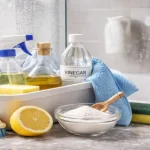
Gentle and natural cleaning systems are often better for your carpet as they take away light soiling without weakening the fibres or stripping the dye of your carpet. White vinegar, baking soda, and warm water clean some minor spills without the threat of harsh chemicals on your countertop like those from stain removers in supermarkets. Natural cleaning methods also reduce buildup of residues, and therefore help carpets stay cleaner longer, not pulling in more dirt from normal indoor foot traffic. Our gentle cleaning process is designed to prevent discolouration of your carpet and keep your indoor environment safe for the kids, pets and visitors.
Quick Action Prevents Damage
Promptly removing Carpet accidents from floors enables residents to avoid long-lasting carpet staining, as liquids are still more easily vacuumed up when they are freshly spilled before drying deep into bottom layers of fibres later on. If accidents are not cleaned quickly, then they can enter deep into carpets and become more difficult to treat with supermarket products, with the possibility of enormous long-term damage developing to fibre structures later on. Quick carpet blotting with kitchen clean-up towels generally proves successful in absorbing water without a need for bulky chemical-based cleansers from supermarket shelves when household crises strike unexpectedly.
Smarter Carpet Cleaning Choices
At first glance, supermarket carpet cleaners may be the easiest option, but they also tend to be the incorrect products that end up causing irreversible stains, faded patches and even damaged carpet fibres inside the house. A householder who understands the threat of cleaning will be able to choose methods that are not only safe but will also help to keep carpets free from all of those chemicals, moisture and scrubbing that can cause damage irreparably during cleaning sessions. Besides, they do not make the problem of needing to replace the carpet very expensive in hindsight. Preventing carpet discolouration after cleaning starts with smarter product choices and avoiding supermarket carpet cleaner damage permanent stain issues before they become costly.