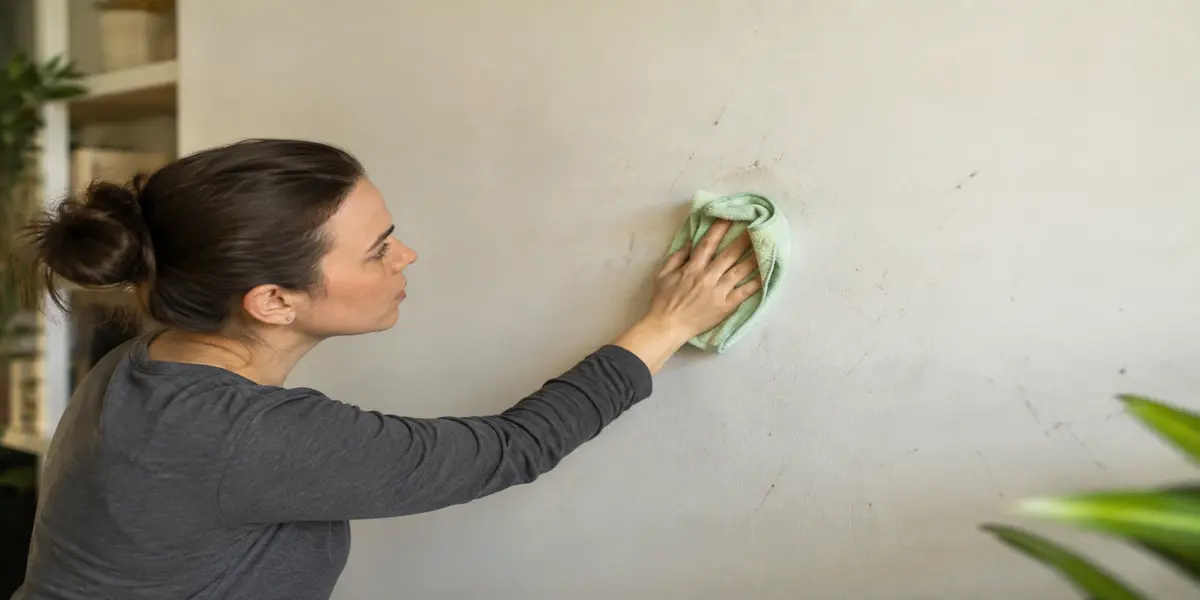
Maintaining painted walls clean can make your house look better right away. However, they are also unaware they are contaminating or damaging the walls and ceilings with the wrong products or too much water and scrubbing too hard. To clean painted walls the right way, you need to know what not to do as much as the right way to do it. In this blog, we will outline the most common pitfalls in cleaning painted walls and that will tell you the real-life tips that can help you let your wall finish life on life without needlessly shortening it.
|
|
|
|
|
|
|
|
|
|
Why Painted Walls Need Care
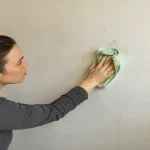
All the dust, oil marks from finger stains, cooking grease, cobweavers and dirt from the living area were slowly accumulated on the painted wall. While removing paint on walls might seem like an easy task, it is important that one considers different cleaning products and water effects when dealing with different types of painted wall finishes. The wrong cleaning method can streak and fade paint or worse, strip paint off a surface. Before you start cleaning painted walls ensure you familiarize yourself with the type of paint you have then select a non-abrasive cleaning method that will lift dirt etc without rubbing away the paint.
Skipping Dust Before Cleaning
One of the worst thing people do when cleaning walls is not dusting them first. If you rub dust particles on your painted wall with a slightly damp, fine cloth simply create many tiny abrasives and leave dust all over. Always start with a dry microfibre cloth or feather duster. If using a vacuum cleaner with a soft bristle device it will improve the real ease of cleaning and working to avoid the dirt flying all over the room. And will definitely reduce the moisture needed later allowing paint walls to be cleaned in a much safer way and work easier.
| Dusting Tool | Best For | Safe on Painted Walls |
| Microfibre cloth | Everyday dust | Yes |
| Feather duster | Light dusting | Yes |
| Vacuum with brush attachment | High walls and corners | Yes |
| Rough broom | Heavy dust only | Not recommended |
Using Harsh Cleaning Products
Many products bought at the store are cleaning products that contain some very strong chemicals which could make the painted walls less glossy or change their colors. If you use bleach or ammonia to clean, the surface will be ruined. Also the use of abrasive powders as well as the application of concentrated detergents on surfaces that have been painted are too aggressive and harmful to be done. Just use warm water and a little mild dishwashing soap. Most of the stains will come off easily without even leaving a hint that there was paint on the surface by using only gentle cleaning means. Reliable domestic cleaning services can help protect painted surfaces from unnecessary damage during cleaning. This method allows you to clean painted walls safely without stripping any color, texture or resilience.
Scrubbing Too Aggressively
If you find it extremely tempting to scrub harder on those really tough stains you can resist, you know that such a method generally causes spots of overly shiny places, superficial scratches and sometimes even disappearance of color. Wait for the cleaner to deal with the grime on its own first before you rub the next piece of it, rather than trying to clean the area more forcefully. Patience has a better effect than vigorous scrubbing. If after repeated gentle cleaning they persist the stains are likely to require repainting rather than too much polishing that will damage the surface permanently.
Using Too Much Water
If the paint’s condition is such that it is cracked or flaking, excess water may penetrate through to the painted surface over time. Dampness often means a number of issues like blistering, flaking or delamination of the paint, black mould, as well as leaving water stains. Dangle the cloth and squeeze it so that only a tiny bit more moisture is released and then take the cloth with a fairly moist cloth. Work in small sections and immediately dry off with a clean towel. Minimising moisture is the easiest way to clean your painted walls without unnecessarily exposing the paint or underlying plaster to long-term harm.
| Cleaning Method | Result | Recommended |
| Damp microfibre cloth | Safe and effective | Yes |
| Wet sponge dripping water | May damage paint | No |
| Pressure washing indoors | Severe damage | Never |
| Soft damp sponge | Excellent for stains | Yes |
Ignoring Paint Finish Types
Every painted wall does not require the same level of cleaning. They look beautiful but matte finishes are sensitive and can show marks if over-wiped, whilst satin and gloss paint are more cleanable. Identify the finish on the wall before you start so you won’t cause any accidental damage. Clean the paint type properly to achieve a consistent appearance in your home. Understanding them will help homeowners clean wallpapered or painted walls not only correctly but also without damaging the paint.
Forgetting Regular Maintenance
Waiting for walls to turn a golden brown colour is much more difficult to clean. Constant cleaning prevents a buildup in dust and grime keeping the surface easy to clean. Dust cleaning of the walls should be done no later than every month and spot cleaning of the fingerprints and marks should be taken care of as fast as possible. Regular cleaning can be made easier by following a simple 20-minute cleaning routine, helping you stay on top of dust, fingerprints and everyday marks before they become harder to remove. Doing this also benefits other household cleaning practices like vacuuming carpets because there will be less of dusty airborne matter that gets everywhere in the house. Dust removal in walls and carpets makes the air in the room pleasant and also avoids spreading allergens and dirt.
Overlooking Safety Measures
Safety, basic precautions have been totally disregarded by many when it comes to things like cleaning high walls or stairwells. You would be safer standing on a solid stepladder and keeping hands down while cleaning than trying on one leg a chair or some unstable object which may result in a serious fall. While working with cleaning chemicals you should put on gloves and also open a window or get some fresh air if working inside a house. With these simple precautionary measures you can successfully clean your painted walls with minimal chance of slips and falls or peeling paint on your walls.
Conclusion
Becoming aware of what errors to make and avoid can help whilst you are cleaning painted walls. A combination of non-abrasive cleaners, soft cloths, limited water and regular maintenance should help not only to preserve paint but also keep the look of your house up to date. Knowing your wall paint finish and cleaning by the correct methods will save you money having to repair or repaint later. With proper wall care and regular floor cleaning, these factors contribute a lot to a clean interior and also to the health of the indoor environment. With these tips at hand, Aussie paints can enjoy great colour and cleanliness for years.
Frequently Asked Questions
- How often should you clean painted walls?
Dust monthly and deep clean every 6–12 months. - Can I use bleach on painted walls?
No, Bleach can damage paint and cause discoloration. - What is the best cloth for painted walls?
A soft microfibre cloth is the safest and most effective option. - Does carpet cleaning help keep walls clean?
Yes, Regular carpet cleaning reduces dust, helping walls stay cleaner for longer.